
GLPro The Glucose Reset Ritual is designed to support healthy blood sugar balance as part of a daily wellness routine. Built around a simple, easy-to-follow approach, GLPro focuses on supporting glucose metabolism, insulin sensitivity, and steady energy levels throughout the day. Its ritual-based format fits seamlessly into real life—no extreme diets, complicated plans, or disruptive habits. Ideal for adults looking to maintain balanced blood sugar already within the normal range, GLPro complements mindful eating, movement, and healthy lifestyle choices. Choose GLPro for a practical, supportive solution that prioritizes consistency, transparency, and long-term metabolic health—without unrealistic promises or medical claims.
Description
Your YouTube description and keyword set includes high-risk disease claims and implied cure claims (e.g., “reduces blood sugar levels,” “lower blood sugar fast,” “reversing diabetes,” “diabetes reversal”). In supplement/ritual content, those phrases can trigger FDA “disease claim” classification (unapproved drug positioning) and platform ad rejections. FDA guidance is explicit that supplements can’t claim to “diagnose, treat, cure, or prevent” disease; that’s why the standard disclaimer exists.
Also, the broader “glucose reset ritual / diabetes reversal ritual” ecosystem is currently associated with misleading marketing narratives and alleged scams (e.g., fake celebrity endorsements and “secret trick” funnels) per multiple watchdog/fact-check writeups. We should address that reality and build trust, not echo it.
Safe positioning we can use:
-
“supports healthy glucose metabolism”
-
“supports glucose already within the normal range”
-
“supports insulin sensitivity”
-
“supports post-meal glucose management (as part of diet + activity)”
-
“helps maintain steady energy after meals”
What we must avoid (or only quote as third-party claims with heavy caveats + rebuttal):
-
“lowers blood sugar fast”
-
“reverses diabetes”
-
“treats insulin resistance”
-
“clinically proven to cure”
-
“replaces medication”
GLPro “Glucose Reset Ritual”
A Compliant, Evidence-First Deep Dive Into What It Is, What It Isn’t, and How to Use a 10-Minute Routine Safely
Medical & legal disclaimer (place near the top + near any CTA): This content is for general education only and is not medical advice. GLPro is a dietary supplement and is not intended to diagnose, treat, cure, or prevent any disease. If you have diabetes, prediabetes, use glucose-lowering medication, are pregnant/nursing, or have a medical condition, consult a qualified clinician before changing diet/exercise/supplements.
Table of contents
-
Why “glucose reset” content is trending (and why readers are skeptical)
-
What GLPro is (and what we can verify vs. what’s marketing)
-
The “10-minute glucose reset ritual”: what actually has evidence behind it
-
Blood sugar basics: fasting glucose, post-meal spikes, A1C, and targets
-
The safest “glucose reset” framework: food order, movement, sleep, stress
-
Supplements: what evidence exists, what safety issues matter, and what claims are compliant
-
How to evaluate GLPro claims and avoid scam funnels
-
FAQs (including “how fast can it work?” — answered compliantly)
1) Why “glucose reset” is trending — and why your readers don’t trust it
“Glucose reset ritual” is exploding as a search term because it promises something people want badly: a simple routine that helps them feel better, manage cravings, and regain control of lab numbers.
But the same phrase is also attached to aggressive advertorial funnels, “secret trick” videos, and alleged celebrity deepfake endorsement narratives. Fact-check and anti-scam publications have repeatedly flagged “glucose reset/diabetes reversal ritual” campaigns as misleading, especially when they claim a public figure “revealed” a cure or when they promise dramatic results in days.
2) What is GLPro?
From publicly available reviews/PR-style coverage, GLPro is marketed as a dietary supplement positioned for “blood sugar support” and “metabolic health.” Some review pages claim it contains ingredients like prickly pear, mangosteen, cinnamon, and konjac (formulas may vary by seller/channel, so we must phrase cautiously and recommend checking the official label).
What we can say safely
-
GLPro is sold as a supplement intended to support healthy blood sugar within the normal range (structure/function framing).
-
It is not an FDA-approved drug and should not be positioned as treating diabetes.
What we should treat as unverified marketing (and avoid repeating as claims)
In the GLPro ecosystem, some landing pages and videos have been criticized for suggesting dramatic outcomes (e.g., “reverse diabetes in 14–17 days,” “secret trick,” or sensational causal stories). Scam-analysis sites specifically call out this style of funnel.
3) The 10-minute “Glucose Reset Ritual”: what actually has evidence
If someone says “do this 10-minute ritual to reduce blood sugar,” the only version that is consistently aligned with mainstream guidance is:
The simplest evidence-aligned ritual: 10 minutes of easy movement
A short walk after meals is widely recommended as part of diabetes management because physical activity helps muscles use glucose and can improve insulin sensitivity. CDC guidance emphasizes physical activity as foundational for managing blood sugar and reducing complication risk.
Compliant wording:
-
“A 10-minute walk after meals may help support post-meal glucose management for some people, as part of an overall routine.”
Noncompliant wording:
-
“This lowers blood sugar fast.”
-
“This cures diabetes.”
A safer “10-minute ritual” stack
If we want a ritual that feels like a ritual (not just “walk”), we can build it as a routine that supports glucose steadiness indirectly:
Step 1 (1 minute): Hydration + plan
-
Drink water.
-
Decide: “I’m walking 10 minutes after this meal.”
Step 2 (2 minutes): Gentle mobility
-
Ankle circles, hip hinges, slow shoulder rolls.
Step 3 (7 minutes): Easy walk
-
Comfortable pace (you can still talk).
-
Indoors is fine. Stairs optional.
This is also inclusive (older adults, beginners) and doesn’t overpromise.
4) Blood sugar basics
We need to define the metrics readers actually see on lab reports:
Key terms
-
Fasting glucose: measured after not eating for ~8 hours.
-
Postprandial glucose: blood sugar after eating (often measured 1–2 hours after a meal starts).
-
A1C: a longer-term average measure used clinically.
Clinical targets
ADA materials commonly cite targets for many nonpregnant adults such as:
-
Pre-meal 80–130 mg/dL
-
Peak post-meal <180 mg/dL
-
A1C goal often <7% (individualized)
Important: We should never tell the reader what their goal is. We cite targets as general clinical context and point them to their clinician for individualized goals.5) The compliant “Glucose Reset” framework (what actually moves the needle)
A real “reset” is not one trick. It’s the accumulation of boring wins:
A) Meal composition: fiber + protein + minimally processed carbs
We can say:
-
Meals with more fiber/protein can help support steadier post-meal glucose for many people.
But we should avoid turning it into “do X to lower blood sugar immediately.”
B) Movement defaults
CDC clearly supports physical activity for blood sugar management and overall cardiometabolic health.
A simple weekly baseline:
-
Aim toward regular activity (walking counts).
-
Add light resistance training if cleared medically.
C) Weight loss for prediabetes risk reduction
CDC’s Diabetes Prevention Program materials emphasize modest weight loss (often 5–7%) and increased physical activity in structured programs for people with prediabetes risk.
Compliant phrasing: “In structured lifestyle programs, modest weight loss and activity are associated with reduced progression risk for some individuals with prediabetes.”
D) Sleep and stress
We can discuss these as “supporting metabolic health,” not “reversing diabetes.”
6) Where supplements fit (and why we must be careful)
If GLPro is being sold as the “reset,” we need to reposition it:
The evidence reality check
NCCIH (NIH) notes that for most supplements, evidence is not strong enough to support a clear benefit for diabetes outcomes, and safety issues can be serious (including interactions and adverse effects).
That’s not anti-supplement. That’s the standard we must meet in YMYL.
Safety issues readers must know
-
If someone takes glucose-lowering meds, adding supplements that may also lower glucose can increase hypoglycemia risk in some cases (depending on ingredient and dose).
-
Supplements can interact with medications; people should consult clinicians.
(We can cite reputable clinical education sources for interaction cautions; avoid sensationalism.)
Claims we can make about supplements
Per FDA guidance, supplements may describe effects on normal structure/function, but cannot claim disease treatment/cure/prevention.
So GLPro content should sound like:
-
“supports healthy glucose metabolism”
-
“supports insulin sensitivity”
-
“supports metabolic health”
Not:
-
“treats diabetes”
-
“reverses insulin resistance”
-
“reduces A1C in 14 days”
7) How to evaluate GLPro claims and avoid scam funnels
This section is an E-E-A-T weapon because it directly addresses what readers fear.
The scam-pattern checklist
If any GLPro/“glucose reset” page:
-
Uses celebrity endorsements that can’t be verified,
-
Claims a secret cure or “doctors hate this,”
-
Promises results in a specific short timeframe (e.g., “14–17 days”),
-
Claims you can stop medication,
-
Hides the label/dose information,
…that’s a reason to slow down and verify.
Multiple watchdog posts describe “glucose reset ritual” campaigns using deceptive endorsement narratives.
What a legitimate supplement brand typically shows
-
Supplement Facts panel (dose, servings, ingredients)
-
Manufacturing details and contact info
-
Transparent refund terms
-
No disease-cure promises
-
No fake “news” branding
A Newswire piece about GLPro even includes a standard “not evaluated by FDA / not intended to diagnose, treat, cure, prevent” disclaimer—good sign if consistently used, but still not proof of efficacy.
8) FAQs
“Can GLPro lower my blood sugar fast?”
No responsible page should promise fast blood sugar reduction from a supplement or “ritual.” If your blood sugar is high, especially with symptoms, the safest next step is medical care. Supplements are not a replacement for diagnosis or treatment.
“What’s the safest ‘glucose reset ritual’ I can do today?”
For many people, a safe option is a short, easy walk after meals plus consistent habits (sleep, balanced meals, hydration). Physical activity is a foundation of glucose management guidance.
“What numbers should I aim for?”
Targets are individualized. For general context, ADA materials commonly cite pre-meal 80–130 mg/dL and peak post-meal <180 mg/dL for many nonpregnant adults, and A1C goals are individualized (often <7%). Discuss personal targets with your clinician.
Related products
-
Sale!
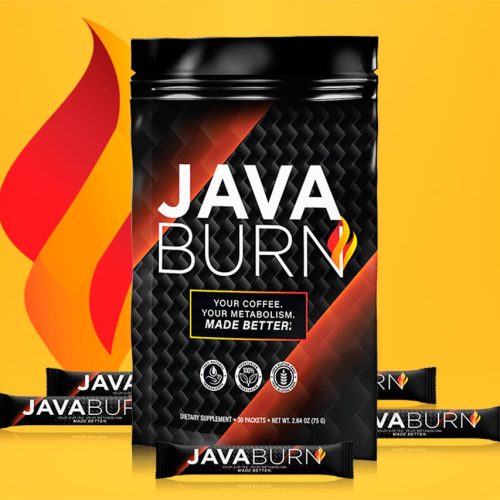
Java Burn: Where to Buy, Best Price, Review Feedback
Original price was: $197.00.$49.00Current price is: $49.00. Buy From The Official Website -
Sale!
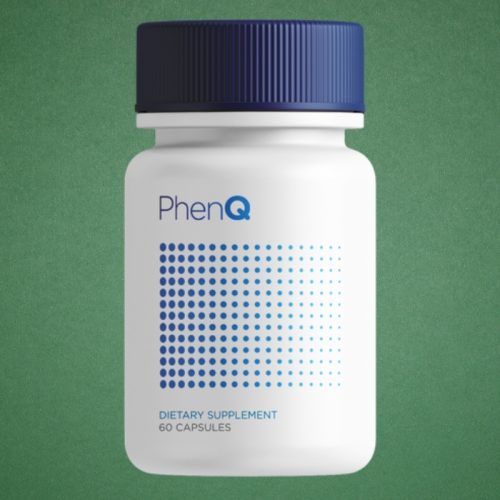
PhenQ: Where to Buy, Best Price, Review Feedback
Original price was: $79.99.$69.99Current price is: $69.99. Buy From The Official Website -
Sale!

SeroBurn: Where to Buy, Best Price, Review Feedback
Original price was: $147.00.$59.00Current price is: $59.00. Buy From The Official Website